
Episode #54 Givology Impact Podcast Series - KOMERA
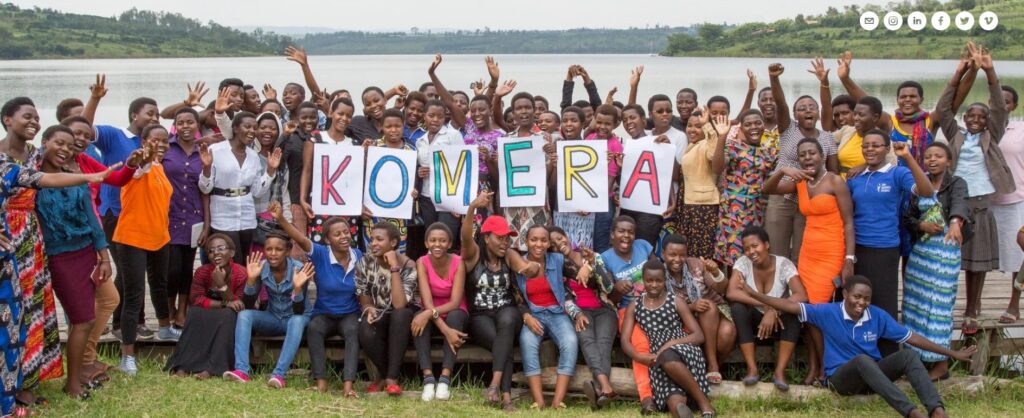
Dillon Ring, from Givology, speaks with KOMERA, a non-profit organization based in Rwinkwavu, Rwanda, that develops self-confident young women and girls through education, community development, and health programs.
At Komera, change happens in young women, in mothers, in families, and in our community. Komera’s work is different because it’s comprehensive. Komera invests in the whole girl – her health & wellness, education, career, family and community, to provide her with the best chance of success. Below are some reflections on the discussion:
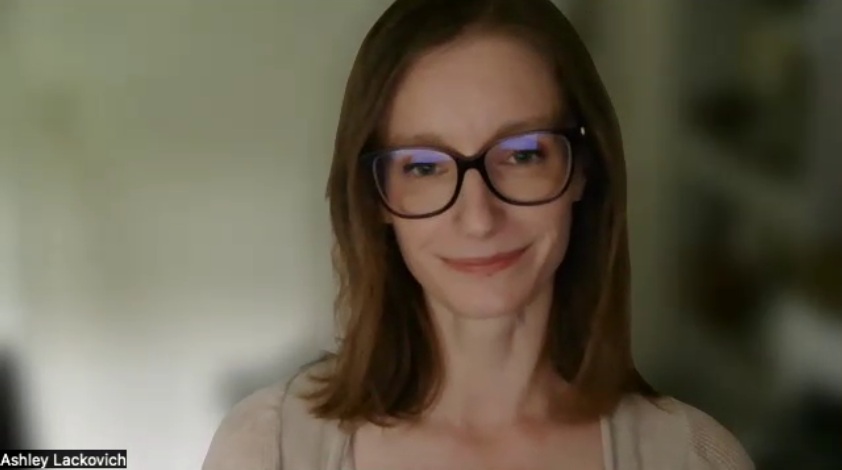
A poor test result can be the first sign that something else is wrong. At Komera’s partner boarding schools in Rwanda, a mentor can follow up with a scholar before the problem grows: arrange a conversation with a teacher, help find tutoring or visit her family. Ashley Lackovich, Komera’s Managing Director, describes support that changes with the circumstances of each young woman. Academic difficulties may be connected to relationships at school or pressures at home, so the response depends on understanding what is happening in her life.
Komera works through public boarding schools, covering costs that include tuition and school supplies while providing school-based mentors. Lackovich said the organization had recently selected 25 new scholars, bringing the program to around 80. Its scholars had attended four partner schools in the preceding year. Working through existing schools allows Komera to devote resources to the support surrounding a girl’s education. Mentors spend time with scholars individually and in groups, helping them build friendships and adjust to boarding school alongside peers who may come from more privileged backgrounds.
The problem Komera is addressing extends beyond the availability of a school place. Young women from vulnerable rural households may struggle to meet school costs or stay enrolled when difficulties arise. Leadership camps and health support form part of the scholarship program, while work with parents and guardians helps address conditions at home. Most of the organization’s staff are based in Rwanda and lead its programs. Lackovich described a US team of two focused on fundraising and advocacy, working alongside more than a dozen colleagues in Rwanda.
Graduation is an important milestone, but Lackovich also asks what happens afterward. Is a young woman continuing her education, starting a business or participating in her community? By her mid-twenties, can she make decisions about her own life and live safely? Quarterly alumnae meetings help Komera stay in contact. Some graduates have returned as staff members, bringing their experience into the programs. At the Leadership Center, young mothers who have left school can receive vocational training alongside counseling and support for family relationships. Lackovich described plans to double that program to around 40 participants.
Sustaining the scholarship commitment presents a particular fundraising difficulty. Lackovich said some foundations are willing to support health or vocational programs but will not fund scholarships, leaving school fees dependent on continued individual giving. That can make the basic cost of keeping a girl in school harder to finance than a new initiative. Asked where unrestricted funding would go, she emphasized deepening services for the young women Komera already knows. Its model depends on staff having the time and resources to respond when a scholar’s circumstances change, and staying involved as she works out what comes after school.
Leave a comment